If your baby cries, pulls off, arches, or just won’t settle at the breast… you are not alone.
This is one of the most common concerns I hear from new moms, especially in the early days and weeks postpartum. It can feel confusing, frustrating, and honestly a little defeating when you’re trying so hard to feed your baby and it just doesn’t feel calm or smooth.
The good news is: there is always a reason, and there are simple ways to help your baby feel more settled and supported during feeds.
🧠 Why Babies Get Fussy During Breastfeeding
Babies don’t just cry “for no reason.” When a baby is fussy at the breast, it’s usually because their nervous system is a little dysregulated.
Some of the most common reasons include:
- Overtiredness: feeding becomes harder when baby is past their window
- Gas or discomfort: especially in the early weeks
- Fast or slow milk flow: your letdown can feel overwhelming or frustrating
- Overstimulation: lights, noise, and activity can make it hard to focus
- Hunger cues were missed: a very hungry baby is often harder to settle
When babies feel disorganized, feeding becomes more challenging; not because you’re doing anything wrong, but because they need a little help getting calm first.
🤍 The Key: Calm Baby = Better Feeding
One of the biggest shifts I teach my clients is this:
Feeding doesn’t calm the baby, a calm baby feeds better. Before latching, take a moment to help your baby feel regulated. This can make a huge difference in how the entire feeding goes.
🌙 Simple Ways to Calm Your Baby Before & During Feeds
Here are some gentle, effective strategies:
1. Create a Calm Environment
- Dim the lights
- Reduce noise and stimulation
- Find a comfortable, quiet space
2. Use Skin-to-Skin
Holding your baby skin-to-skin helps regulate:
- heart rate
- breathing
- temperature
- and overall calmness
It’s one of the most powerful tools you have.
3. Add Rhythmic Movement
Gentle rocking, swaying, or walking can help your baby settle before bringing them to the breast.
4. Use Sound to Support Regulation
Babies are used to constant sound in the womb, a quiet room can actually feel unfamiliar.
A consistent “shhh” sound can:
- help soothe your baby’s nervous system
- block out sudden noises
- make feeding feel more predictable and calming
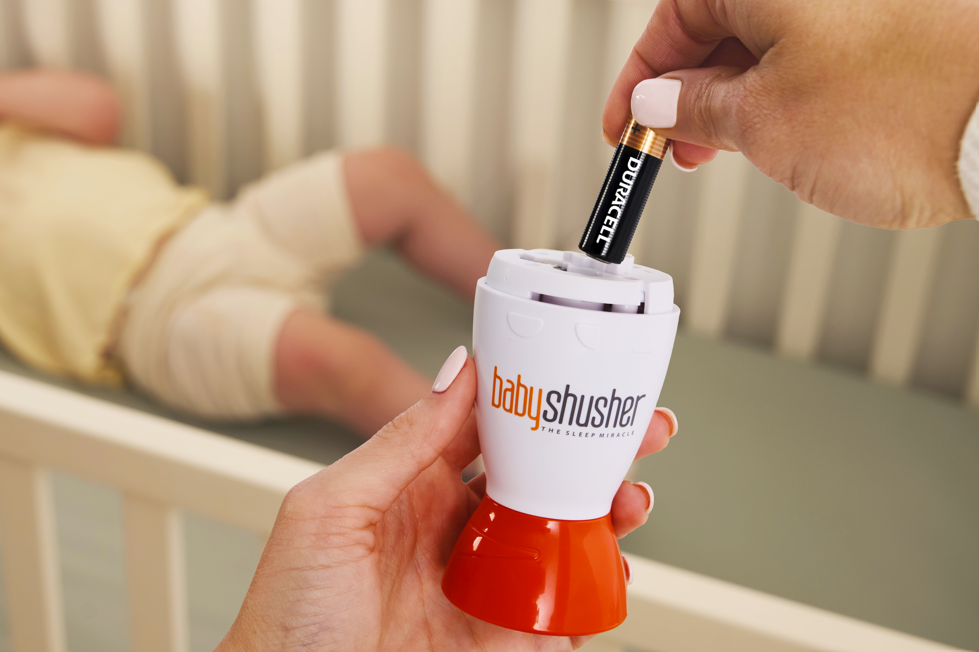
Many families find tools like the Baby Shusher helpful because they provide that steady, rhythmic sound without you having to do it the entire time, especially during longer feeds or cluster feeding periods.
👶 What This Looks Like in Real Life
Instead of immediately trying to latch a crying baby, try:
- Pause
- Calm first (rocking, sound, skin-to-skin)
- Then bring baby to the breast once they’re more settled
This small shift often leads to:
- better latch
- longer feeds
- less frustration for both of you
💡 A Gentle Reminder
If your baby is fussy at the breast, it does not mean:
- your milk supply is low
- you’re doing something wrong
- or breastfeeding isn’t working
It usually just means your baby needs a little extra support getting organized before feeding.
🎓 Want More Support?
If you’re preparing for your baby or navigating those early postpartum days, I created my Breastfeeding Foundations course to walk you through everything step by step in a calm, practical way.
Inside, I cover:
- how milk supply actually works
- what a good latch looks and feels like
- how to read your baby’s cues
- pumping, bottle feeding, and supplementation
- and how to troubleshoot common challenges
✨ It’s designed to help you feel confident, prepared, and supported from day one.
👉 www.ashleyshapirolactation.com/courses
Use code SHUSH and take 15% off the breastfeeding foundations course for a limited time!
🤍 Final Thoughts
Feeding your baby doesn’t have to feel stressful or chaotic. With a few small adjustments, especially focusing on calm first, you can create a much more peaceful, connected feeding experience.
You’re doing an incredible job, and your baby is learning right alongside you.