When your newborn cries for hours on end and nothing seems to calm them, it can be exhausting and worrying. Colic is one of the most common challenges new parents face, and finding effective colic relief for newborns often takes patience and a bit of trial and error. While the exact cause of colic remains unknown, several safe soothing methods and feeding adjustments can help reduce discomfort for both baby and parents. This article breaks down the definition of colic, when it typically starts and ends, and the most practical strategies supported by medical experts.
What Is Colic and How Is It Defined?
Colic is not a disease or a diagnosis of something wrong with your baby. It is a pattern of excessive, unexplained crying in an otherwise healthy infant. The most widely used definition comes from what is known as the "rule of three": crying for more than 3 hours a day, more than 3 days a week, for more than 3 weeks. Colic usually appears at about 3 weeks of age and resolves on its own by 3 to 4 months in most babies. Up to 90 percent of infants are free from colic by 4 months old. Understanding these timelines can offer reassurance that this phase is temporary.
Safe Soothing Techniques That Can Help
Pediatricians and child health organizations suggest several comforting methods that may calm a colicky baby. These include holding your baby close, gentle rocking, swaddling, offering a pacifier, and using white noise or rhythmic sounds. Car rides or stroller walks also provide motion that many newborns find soothing. Some babies respond especially well to low, repetitive sounds that mimic the noise they heard in the womb, such as a steady shushing or a fan sound. Each baby is different, so trying a few techniques and observing your baby's response is the best approach.
Swaddling and Pacifiers
Swaddling recreates the snug feeling of the womb and can reduce the startle reflex that sometimes wakes babies. A lightweight muslin swaddle works well. Pacifiers satisfy a baby's natural sucking instinct, which has a calming effect. Look for hospital-grade silicone pacifiers that are BPA-free. If your baby does not take a pacifier right away, try offering it after a feeding or during a calm moment.
Rhythmic Movement and White Noise
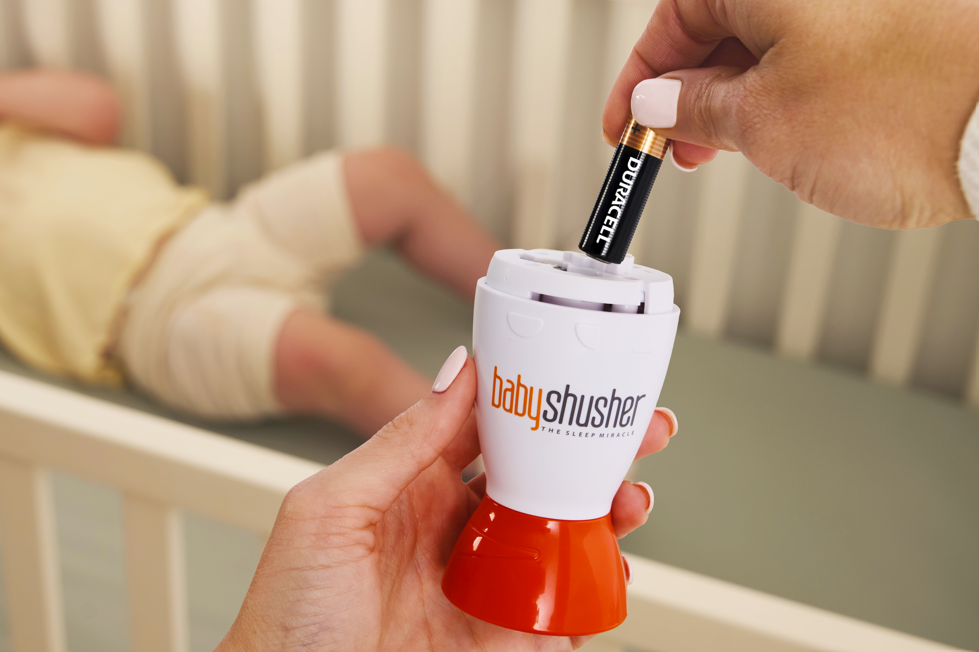
Gentle, repetitive motion from rocking or a baby swing can be very effective. White noise machines or a simple recording of a heartbeat or ocean waves provide a consistent background sound that may help block out household noises. One well-known rhythmic sound pattern is the "shush" sound, which can either be done by a caregiver or played from a device. The key is consistency and volume at a level that matches your baby's level of fussiness.
Feeding Adjustments for Colicky Newborns
Sometimes colic symptoms are related to feeding. Dietary changes may offer relief for some infants, though they do not help every baby. For breastfeeding mothers, eliminating certain foods from their own diet for a week or two can be tried. Common culprits include dairy, caffeine, onions, cabbage, and other gas-producing foods. Some mothers also try avoiding eggs, nuts, and wheat. If the baby's crying improves after eliminating a food, that item may have been contributing to the discomfort.
For formula-fed babies, switching to an extensively hydrolyzed formula makes the protein easier to digest. Soy-based formula is another option that some parents try. However, changing feedings rarely helps according to some research, and results vary widely from baby to baby. Before making any significant change in feeding, talk with your pediatrician to rule out other issues such as reflux or milk allergy.
Medications and Supplements: What Works and What Does Not
Many parents turn to over-the-counter remedies for quick relief, but evidence for most of them is limited. Simethicone gas drops are very commonly used, yet a systematic review found no strong proof that they reduce colic symptoms more than a placebo. Probiotics, specifically a strain called Lactobacillus reuteri, have been studied in small trials with mixed results. Most experts do not recommend routine use of probiotics for colic based on current evidence.
Gripe water, a liquid supplement often sold as a natural remedy, is not recommended by major medical organizations because it is not regulated by the FDA and its safety and effectiveness are not well established. Some formulations contain herbs that could reduce a baby's appetite or cause electrolyte imbalances. Always check with your pediatrician before giving any medication or supplement to your newborn.
Parent Self-Care Is an Essential Part of Colic Management
Caring for a baby who cries incessantly can be stressful and overwhelming. Experts emphasize that taking care of yourself is not selfish, it is necessary. If you feel frustrated or angry, it is okay to place your baby safely in a crib and step away for a few minutes to calm down. Asking your partner, a family member, or a trusted friend for a break is important. Sleep deprivation and constant crying can affect your mental health, so reaching out for support is a smart step. Remember that colic resolves in the vast majority of infants by 4 months, and you are helping your baby through a difficult phase.
Frequently Asked Questions
How long does colic usually last?
Colic typically starts at about 3 weeks of age and resolves by 3 to 4 months. Up to 90 percent of babies are free from colic by 4 months. The condition follows no specific treatment timeline, but it is always temporary. If your baby continues crying beyond 4 months or has other symptoms like fever or poor weight gain, consult your pediatrician.
Should I change my baby's formula to help with colic?
In some cases, switching to an extensively hydrolyzed or soy-based formula may help, but results vary. Many infants do not improve with a formula change. Before changing, talk to your pediatrician to rule out allergies or reflux. If you breastfeed, eliminating dairy, caffeine, and other gas-producing foods from your diet for a trial period may also be worth discussing.
Can gripe water or gas drops stop colic?
Gripe water is not recommended due to a lack of regulation and potential risks such as reduced milk intake or electrolyte imbalance. Simethicone gas drops are widely used but systematic reviews show no strong evidence that they work better than a placebo for colic. Always check with your pediatrician before giving any over-the-counter product to your newborn.
When should I call the doctor about colic?
You should call your pediatrician if your baby's crying is accompanied by fever, vomiting, diarrhea, poor feeding, or weight loss. Also seek advice if the crying pattern changes suddenly or if you feel unable to cope. A doctor can confirm the diagnosis and help rule out other medical conditions such as reflux, infection, or food allergies.
Finding colic relief for newborns is a process of trying gentle techniques, making small feeding adjustments, and asking for help when you need it. The phase of persistent crying does pass, and with the right support, both you and your baby can get through it more comfortably.