The Myth of the “Easy Travel Baby”
You’ve seen them. Those angelic, sleeping babies on planes who make travel look effortless. Meanwhile, your baby is discovering new ways to protest naps at 30,000 feet. Don’t worry—this doesn’t mean your travel plans are doomed. It just means you need a little prep (and a reliable “shhh”).
Whether you’re heading across the country or just across town for Grandma’s house, travel throws a lot of curveballs at baby sleep. But with a few smart adjustments, you can help your little one stay rested and happy—and maybe even enjoy your trip, too.
Why Travel Messes With Baby Sleep
New environments can overwhelm babies: different sounds, smells, and light patterns can confuse their internal clock. Add a disrupted nap schedule and parents who are running on caffeine and airport pretzels, and everyone’s bedtime rhythm gets thrown off.
The key is consistency. Keeping familiar sleep cues—like the same bedtime routine, sounds, and comfort items—helps your baby feel safe and ready to rest, even in new surroundings.
Pack a “Sleep Kit” for Every Trip
Here’s your new mantra: if it helps your baby sleep at home, it should come on the trip.
Your baby sleep-kit checklist:
-
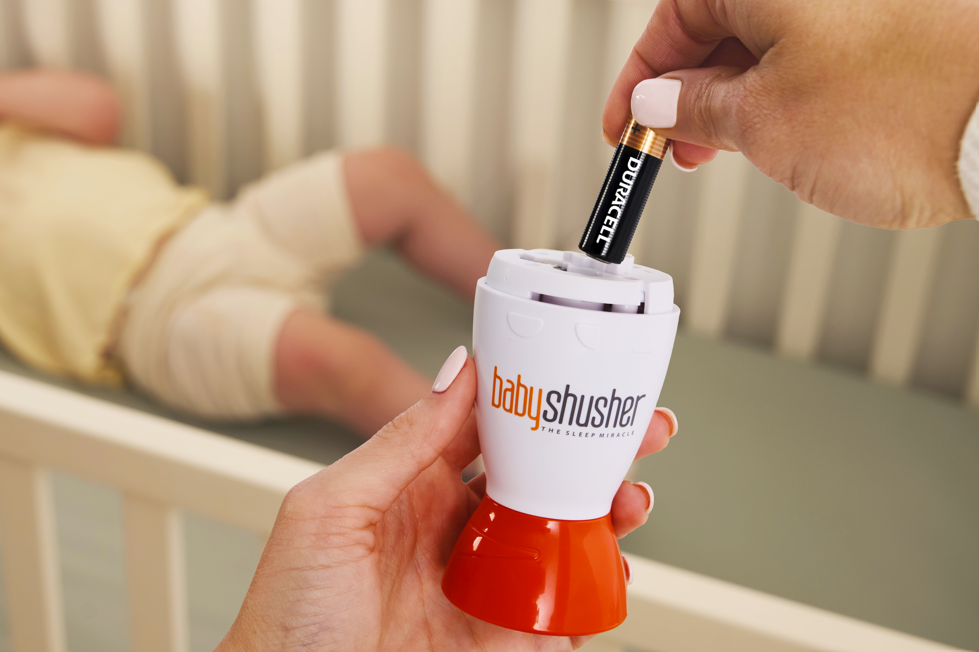
✅ Portable sound machine (Baby Shusher, anyone?)
-
✅ Lightweight swaddle or sleep sack
-
✅ Pacifiers, lovey, or favorite blanket
-
✅ Blackout shades or travel cover
-
✅ Pajamas in the same fabric as home
Keeping these familiar items nearby recreates the same sensory environment your baby associates with sleep.
On Planes: Keep It Predictable
Airports and airplanes are loud, stimulating, and usually full of bright lights. Try this:
-
Stick to your normal feed-sleep routine as much as possible.
-
Time feedings during takeoff and landing to help with ear pressure.
-
Use a soft blanket and sound machine during naps.
-
Don’t worry about judgmental looks—most passengers are just glad it’s not their turn.
In Hotels or Rentals: Recreate Home Sleep Cues
Your baby doesn’t know you’re at a Hilton; they just know the crib smells weird and the lighting’s different.
To help:
-
Claim your corner: Set up baby’s sleep area away from windows or noisy doors.
-
Block the light: Use travel shades, or hang a blanket with clips.
-
Add the sound: A portable shusher masks hallway noise and helps the baby’s brain recognize “sleep time.”
-
Skip new sleep gear: This isn’t the time to introduce a new bassinet or blanket. Stick with what works.
Manage Time Zone Shifts Gently
Traveling across time zones? Go gradual. Adjust bedtime and naps by 15–30 minutes per day until you’re on the new schedule.
If the trip is short (three days or less), it may actually be easier to stay on home time entirely.
Road Trips, Grandparents & Other Curveballs
Even when you’re not flying, unfamiliar settings can shake things up. Bring along portable comforts, and remember: your baby’s body clock needs consistency more than perfection.
At Grandma’s house, re-create your same bedtime cues—dim lights, quiet room, and that familiar shhh sound.
Frequently Asked Questions
Q: Should I bring a sound machine when traveling with my baby?
A: Absolutely. It’s one of the easiest ways to maintain a familiar sleep cue anywhere you go.
Q: How do I keep nap times consistent on vacation?
A: Plan one solid nap per day in a quiet, dark space. Let the rest happen on the go.
Q: My baby won’t sleep in a hotel crib—what now?
A: Try layering familiar smells (crib sheet from home) and familiar sounds (Shusher) to make it feel like home.