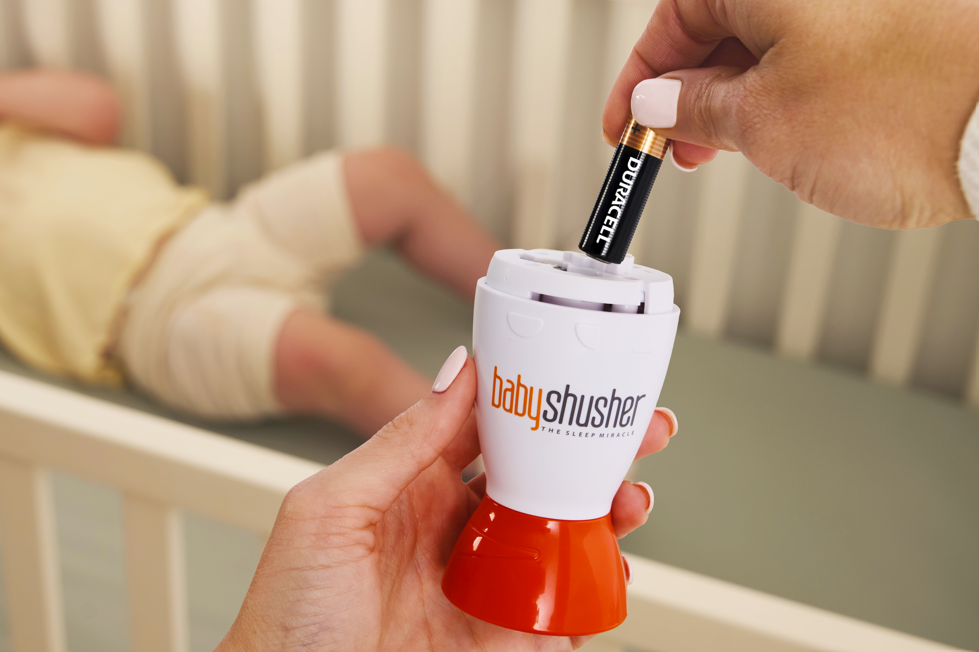
As a parent you may be wondering: When do I stop using the sound machine? You set it up when baby was tiny, but now as they grow, naps change, sleep is longer, sibling noise creeps in, and you’re not sure when—or if—you should phase it out. In this post we’ll walk through the stages from newborn through toddler, show how sound machines (and our own Shusher line) can evolve with your little one, and provide safe-usage guidance so you feel confident every step of the way.
Newborn Phase (0–3 months)
Why it’s helpful: Fresh from nine months of constant whoosh, hush and heartbeat sounds in the womb, newborns land in a pretty quiet, new world. A consistent, calming sound environment helps bridge that transition. Sound machines offer:
-
A womb-like steady soundscape to soothe the startle reflex
-
Masking of household, street or sibling noise so baby can settle
-
A predictable cue for sleep time (nap or night)
How to use it now:
-
Run the sound machine or Shusher continuously or for the majority of nap & night time, especially in the early days when baby is waking often.
-
Place it at a safe distance and set volume to a moderate level.
-
Make sure you pair with other supports: darkened room, swaddling (if you swaddle), reliable sleep surface.
-
In this phase, using a device like our Baby Shusher is totally appropriate: simple, soothing, consistent.
When to begin thinking of tweaking: As baby’s wake windows lengthen and sleep patterns begin to shift (around 3–4 months), you’ll want to start thinking ahead to the next phase.
Infant Phase (Approximately 4–12 months)
Around 4–6 months baby moves toward longer blocks of sleep, fewer feedings, stronger sleep cycles. Here's how your sound-machine usage evolves.
What changes:
-
More consistent night sleep, fewer naps interrupted by “wake windows”
-
Increasing mobility: rolling, sitting, possibly crawling
-
More wakeful time, more environment noise (siblings, daycare, outings)
Tips for adjusting sound machine use:
-
Volume: Try dialing the volume down a bit: If baby is already settling well, you may not need full continuous volume.
-
Timing: Rather than ‘on all the time,’ consider using the sound through falling-asleep, then turning it off or lowering it after baby enters first sleep cycle.
-
Environment pairing: Use with blackout curtains, consistent bedtime routines, and the evolving Shusher line (e.g., if you have the Shusher Firefly or Shusher Sloth) to build sleep cues.
When and why to transition: By late infancy, you might start reducing reliance on continuous sound: when baby is sleeping 8+ hours at night, napping longer, and waking less frequently due to external noise. The goal isn’t immediate removal of the sound machine, but gradual moderation.
Toddler Stage (Approx. 1–3 years)
By toddlerhood, many children are moving to a big-kid bed, have more predictable sleep cycles, nap less and may have different sleep fears (nightlights, monsters, transitions). This is a great time to tweak your sound machine strategy into something more flexible and age-appropriate.
How to evolve use:
-
Consider lower volume and shorter duration: Use the sound machine or Shusher only for “wind-down” (e.g., first 10-15 minutes) rather than full night.
-
Pair with a nightlight or multi-purpose device: For example, our Shusher Firefly (with night light and sound) can serve dual roles, with a comforting light and shushing sound.
-
Shift focus to sleep cues and independence: Encourage self-settling - consider a device like the Shusher Sloth. They can cuddle the plush and use the shushing sound when needed during bedtime.
-
When to stop or phase out: There’s no rigid age at which every child must stop using a sound machine. Many experts say you can continue as long as it's at a safe volume, distance, and not interfering with development or sleep independence.
Myth-busting:
-
“They’ll get addicted to sound.” Not quite — the bigger issue is dependency: if a child requires the machine to sleep and cannot sleep without it in unfamiliar settings (grandma’s house, travel, daycare), then you may want to start gently weaning.
-
“White noise stunts language development.” There is no definitive evidence that moderate white noise in safe volume harms development — the risk is more with excessive volume and duration.
-
“Once you start you can’t stop.” You can transition. The key is gradual adjustment, providing other cues, and safe usage. Shusher’s evolving product line is built to support that.
Sound Machine Safety for Babies
-
Distance from baby’s head/ears: Place the machine outside from the sleep surface.
-
Volume check: Start loud and throttle the noise down once baby is calm. Of course, don't put the sound right next to baby's ears. Use your judgement to keep the volume at a safe level.
-
Duration: Use as long as necessary to get baby to sleep, but consider turning off or reducing volume after first sleep cycle—especially in infants and toddlers.
-
Room environment: Combine sound machine use with other strong sleep hygiene practices — dark room, appropriate temperature, limited screen time, consistent routine.
-
Device type & quality: Choose a reliable device (like a dedicated Shusher model) rather than a random app; apps can reach very high volumes unexpectedly, and can be interrupted by calls, texts, or leaving the room.
-
Monitor dependency: If baby/toddler struggles to nap or sleep without the machine in any environment, use it as a signal to begin winding down dependence.
Takeaway Summary
-
It’s not about the baby being “too old” for a sound machine—it’s about how you use it, how you adjust it, and how it supports your child’s sleep stage.
-
For newborns: full-on use is totally fine and beneficial.
-
For infants: dial down volume/duration as sleep becomes more mature.
-
For toddlers: shift toward shorter, low-volume use and pair with cues like night lights; gradually phase out if dependency becomes a concern.
-
Always follow safe usage guidelines—distance, volume, duration—to keep the sound machine a helpful tool, not a risk.
-
Remember: if you’re ever in doubt, chat with your pediatrician. Safe sleep matters.
Frequently Asked Questions
Q: At what age should I stop using a sound machine overnight?
A: There’s no fixed age. If your child sleeps well through the night, is reliably settling, and doesn’t require the machine to nap or sleep in unfamiliar settings, you may start transitioning. Many families continue low-volume use into toddler years. The key is reducing dependency and ensuring safe use.
Q: Will my baby become dependent on the sound machine and not sleep without it?
A: Possibly—but you can avoid this by gradually reducing usage (volume, duration) and slowly introducing independent cues. Use the machine as one tool in a sleep toolkit, not the only tool. If the machine becomes the only way to nap/sleep, consider tapering. However, even adults use sound machines to sleep!
Q: Is white noise safe for my baby’s hearing?
A: Yes—if used appropriately. The AAP warns that some machines produce volumes too loud for infants and children. Use safe distance, keep volume modest, and limit duration.
Q: Can toddlers use a sound machine?
A: Yes—toddlers can still benefit, especially during transitions (big bed, new house, naps irregular). But adjust: lower volume, introduce self-soothing, and pair with light cues.
Q: If I travel or baby naps away from home, can I still use the sound machine?
A: Absolutely—especially in unfamiliar settings, a consistent sound cue helps. Just remember to follow the same safe usage parameters: keep it at a safe distance and moderate volume.