When your newborn cries for hours and nothing seems to help, you are likely searching for colic relief for newborns that actually works. Colic is a common challenge for many families, but understanding the condition and learning proven soothing techniques can make a real difference. This article brings together recommendations from pediatric experts to help you and your baby find comfort during these difficult weeks.
What Is Colic and When Does It Start?
Colic is defined as crying that lasts for more than three hours a day, more than three days a week, in an otherwise healthy infant. It typically begins around three weeks of age and resolves by three to four months, though some infants continue to have colic symptoms until six months. The exact cause of colic remains unknown, but several strategies have been shown to provide relief.
The 3-3-3 Rule
Pediatricians often use the "rule of three" to diagnose colic: crying more than three hours a day, more than three days a week, for at least three weeks. If your baby meets this pattern and is otherwise healthy, it is likely colic. Remember that colic itself does not cause long‑term harm, and it usually resolves on its own with time.
Proven Soothing Techniques
Many parents find that a combination of comforting strategies helps reduce crying. Techniques that mimic the womb environment tend to be most effective. The following methods are widely recommended by pediatricians and supported by research.
Swaddling and Pacifiers
Swaddling your baby in a soft blanket can recreate the snug feeling of the uterus. When combined with a pacifier, the sucking action may soothe and calm a fussy newborn. Pacifiers also provide non‑nutritive sucking, which is a natural self‑soothing behavior for infants. Make sure the swaddle is not too tight and that your baby's hips have room to move.
Movement and White Noise
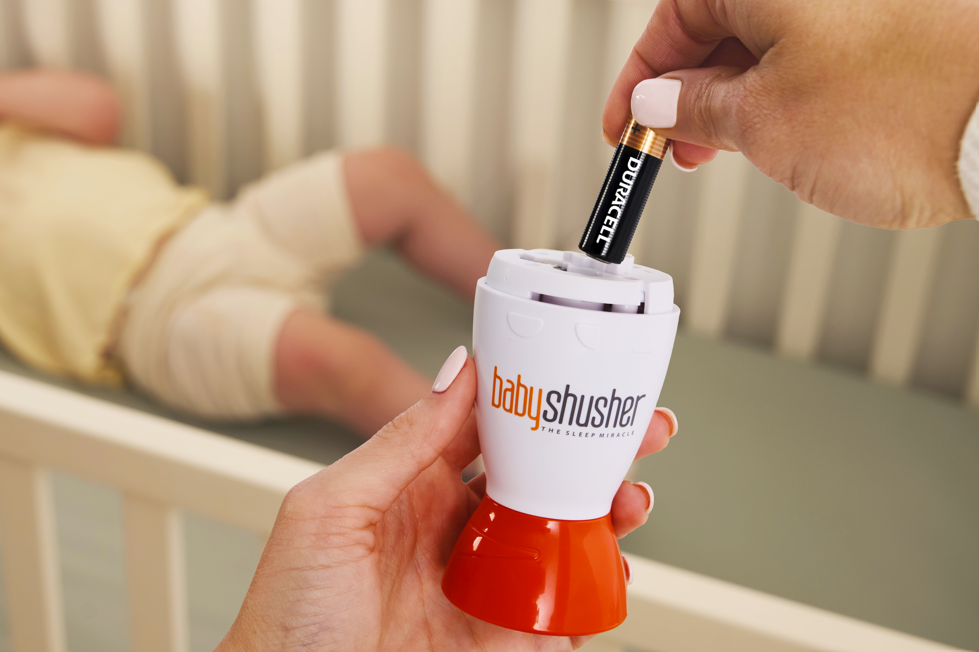
Gentle rocking, car rides, and infant swings are all time‑tested ways to settle a colicky baby. Rhythmic motion mimics the movement babies experience in the womb. Rhythmic, continuous sounds (such as a Baby Shusher sound machine) can help provide a familiar, calming background. Many parents find that a combination of gentle movement and steady sound works better than either method alone.
Dietary Changes to Reduce Colic Symptoms
Food sensitivities can contribute to colic in some infants. Making changes to your baby's diet or your own diet if you are breastfeeding may help reduce crying episodes. Always consult your pediatrician before making significant dietary changes.
For Breastfeeding Mothers
If you are breastfeeding, eliminating common allergens from your diet for one to two weeks may ease your baby's discomfort. Foods to consider removing include dairy products, eggs, nuts, wheat, and gas‑producing items like cabbage, onions, and caffeine. Keep a symptom diary to see if your baby's crying improves after dietary adjustments.
For Formula‑Fed Infants
For babies who drink formula, a one‑week trial of an extensively hydrolyzed formula may be recommended by your pediatrician. These formulas break down proteins into very small pieces, making them easier to digest for infants with cow's milk protein intolerance. Do not switch formulas without medical guidance, as some changes can cause more digestive upset.
Over‑the‑Counter Remedies: What to Consider
Several over‑the‑counter products are marketed for colic relief, but evidence for their effectiveness varies. It is important to use these products only after discussing them with your child's healthcare provider.
Simethicone Gas Drops
Simethicone is an over‑the‑counter medication that helps relieve gas by breaking up gas bubbles in the stomach. Some parents report that gas drops reduce crying, especially when the baby seems to be in discomfort after feedings. The medication is generally considered safe, but it does not address the underlying cause of colic.
Gripe Water and Probiotics
Gripe water is a traditional herbal remedy, but it is not normally recommended by pediatricians due to a lack of strong evidence and potential risks such as allergic reactions or contamination. Probiotics, specifically Lactobacillus reuteri, have shown mixed results in small studies; most experts do not support their routine use for colic at this time. Treating with lactase enzyme drops before feedings may help babies who have temporary lactose intolerance, but this should be discussed with your doctor.
When to Expect Colic to End
Colic resolves spontaneously in up to 90 percent of infants by four months of age. For many babies, the crying peaks around six to eight weeks and gradually decreases. While the waiting period can feel endless for exhausted parents, knowing that colic has a natural timeline can provide some reassurance. If your baby's crying continues beyond four to six months, or if you have concerns about feeding, weight gain, or other symptoms, contact your pediatrician.
Caring for Yourself While Caring for a Colicky Baby
Caring for an infant who cries for hours can be overwhelming. Taking care of your own well‑being is essential. Allow yourself to take breaks: place your baby safely in the crib and step away for a few minutes. Share your feelings with your partner, family, or friends, and do not hesitate to ask for help. If you feel you are struggling to cope, speak with your healthcare provider or a mental health professional. Remember, this phase will pass, and reaching out for support is a sign of strength.
Frequently Asked Questions
Is colic dangerous for my baby?
Colic itself is not dangerous and does not cause long‑term health problems. It is a temporary condition that usually resolves on its own by three to four months of age. However, always consult your pediatrician to rule out other medical causes for excessive crying.
Does swaddling help colic?
Swaddling can help soothe a colicky baby by replicating the cozy feeling of the womb. Many infants find comfort in being wrapped snugly, especially when combined with other techniques like white noise or gentle rocking. Ensure the swaddle is safe and not too tight.
Can eliminating dairy from my diet help if I'm breastfeeding?
Yes, some breastfed babies with colic improve when their mother removes dairy and other common allergens from her diet. The improvement, if any, usually appears within one to two weeks. It is best to work with your pediatrician or a dietitian to ensure you still get adequate nutrition.
What should I do if nothing seems to calm my baby?
If your baby continues to cry despite trying multiple soothing methods, take a short break. Place the baby in a safe place like the crib and step away for five to ten minutes to collect yourself. Then try again or call a friend for support. If you are concerned about your baby's health, contact your pediatrician.